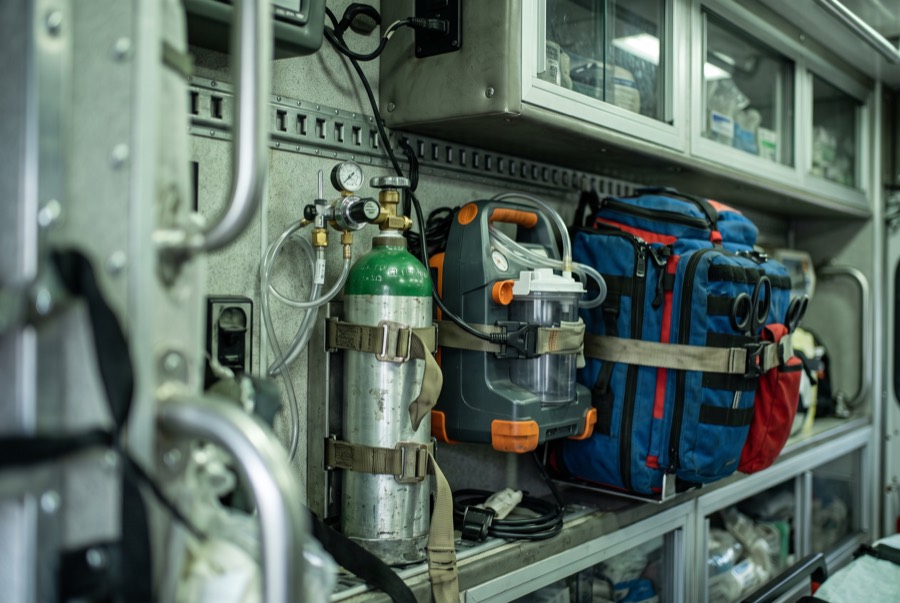
A rig check takes about 15 minutes, and it decides whether the truck is ready when the tones drop: every airway, every med, every battery. When it's rushed on a paper clipboard, it's where expired supplies, missing equipment, and failed inspections start.
This checklist covers ALS and BLS ambulances, the documentation that keeps you inspection-ready, and the small things that are easy to miss. Adapt it to your agency's protocols and your state's requirements, then print one per rig, per shift.
Before you start: three habits that matter
A good rig check is a repeatable routine that produces a record. Three habits make the difference at inspection time:
- Check the same way, every shift. A consistent order (front to back, top to bottom of each compartment) helps prevent skipped items when someone is in a hurry.
- Capture quantities, not just check marks. "Present" isn't enough. Knowing you have four nasal cannulas, not "some," is what keeps you stocked and audit-ready.
- Log expirations as you go. One of the most common inspection findings is expired supplies. Catch them during the check, not on a call.
The daily EMS rig check checklist
Work through each section in order. Items marked with an asterisk (*) are the ones that are easy to miss or rush.
Cab & exterior
- Fuel level adequate / vehicle fueled
- Warning lights, siren, and horn operational
- Headlights, brake lights, and hazards working
- Tires (including spare), wipers, mirrors, fluid levels
- Main oxygen supply level checked*
- Radio / MDT powered and tested
Airway & breathing
- Bag-valve masks — adult, child, and infant
- OPAs and NPAs in a full range of sizes
- Suction unit charged, with canisters and tubing*
- Portable O2 cylinder level and key/wrench*
- Intubation / supraglottic airway kit complete
- Nebulizer, non-rebreathers, and nasal cannulas stocked
Circulation & trauma
- AED or cardiac monitor pads and battery*
- Bleeding control / tourniquets
- IV supplies, fluids, and start kits
- Cervical collars, splints, and bandaging
- Trauma dressings, gauze, and tape
- Backboard / stretcher straps present and secure
Medications & controlled substances
- All medications present per your inventory list
- Expiration dates checked — nothing expired*
- Controlled substance count verified*
- Narcotic seal numbers recorded*
- Refrigerated medications at correct temperature (if applicable)
- Restock requests logged for any low items
PPE, safety & sanitation
- Gloves (all sizes), gowns, and eye protection
- N95s / respirators stocked
- Sharps container not full
- Disinfectant / decon wipes and hand sanitizer
- Biohazard bags present
- Rig cleaned and decontaminated from the prior shift
Equipment & power
- Monitor / defibrillator self-test passed*
- Glucometer and in-date test strips
- Pulse oximeter, BP cuffs (all sizes), thermometer
- All batteries charged, with spares*
- Stair chair / stretcher functional
- Flashlights and scene lighting working
Documentation & sign-off
- ePCR device / tablet charged and synced
- Required forms and paperwork stocked
- Discrepancies documented and reported*
- Prior-shift issues resolved or escalated
- Check completed by (initials) recorded
- Supervisor review, if required by your agency
What EMS inspectors look for
Passing a state or QA inspection is less about any single item and more about showing that you have a system. Inspectors typically look for four things:
- A consistent, time-stamped record that the check actually happened, every shift, not just the day before an audit.
- Zero expired medications or supplies, with documented expiration tracking that shows you catch them ahead of time.
- Controlled-substance counts and seal numbers that reconcile across shifts without gaps.
- A clear trail of who checked what, and how any discrepancy was resolved.
Paper checklists struggle with all four.
A clipboard proves a box was ticked. It doesn't automatically record when, by whom, or that the expired epi was caught before it reached a patient.
Paper vs. digital rig checks
Paper is fine until a sheet goes missing, a check gets back-filled at the end of a shift, or an inspector asks for 90 days of records and you're flipping through a binder. A digital rig check captures the same information and adds what paper can't: an automatic timestamp, expiration alerts before items lapse, real-time inventory across every rig and station, and a searchable record you can pull up for an inspector.
Want this on a device instead of a clipboard?
FireTower's Rig Checks module turns this checklist into a digital rig check with expiration alerts, seal-number capture, and an inspection-ready record. It's included in the Base plan, at $199/month.
Frequently asked questions
How often should an ambulance rig check be done?
Most agencies check at the start of every shift and again whenever a unit is restocked after a call. Many also run a deeper weekly or monthly check for equipment that doesn't change daily. Follow your state's and your medical director's requirements.
What's the difference between an ALS and a BLS rig check?
The structure is the same; ALS units add advanced airway, cardiac monitoring, IV/medication, and controlled-substance items. The checklist above covers both; BLS crews skip the ALS-only lines.
Can we just use a paper checklist?
You can, and many agencies start there. The trade-offs are the ones above: no automatic timestamp, no expiration alerts, and no searchable record for an inspector.
Print the checklist, run it every shift, and keep your crews and your records inspection-ready. When you're done chasing paper, see what FireTower can do in a 20-minute demo.